Before the First Freeze: What Association Boards Should Review Now
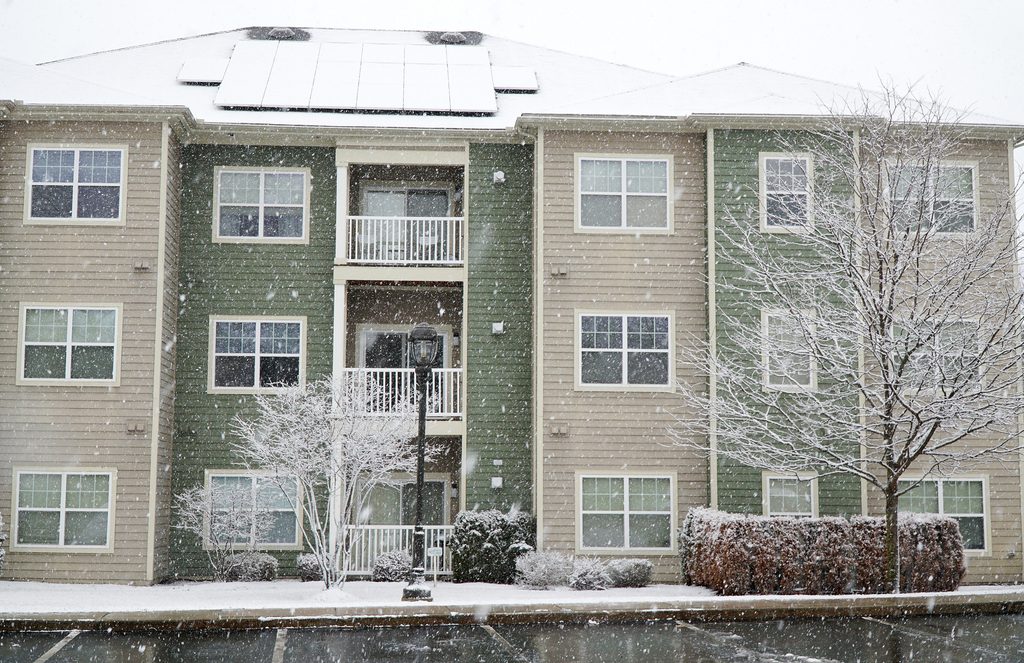
In the Pacific Northwest, colder temperatures bring more than a change in seasons. They can expose maintenance issues that may have gone unnoticed during warmer months.
For HOA and condominium Boards, preparing for winter is not simply about responding to a weather forecast. It is an opportunity to look across the community, identify vulnerabilities, confirm that preventative maintenance has been completed, and make sure there is a plan if something goes wrong.
A few conversations now can make a significant difference when temperatures drop.
Start with Preventative Maintenance
One of the most effective ways to prepare a community for winter is also one of the simplest: address known maintenance needs before colder weather puts additional pressure on the property.
Boards and management teams should review exterior and common-area components that may be affected by freezing temperatures, heavy rainfall, wind, or seasonal debris.
Depending on the community, that may include:
- Exterior and exposed plumbing
- Irrigation systems
- Roofs and gutters
- Downspouts and drainage systems
- Common-area heating and mechanical systems
- Exterior lighting
- Trees, landscaping, and grounds
- Building envelope concerns
- Known leaks or water-intrusion issues
The goal is not simply to create a winter checklist. It is to identify whether something that appears minor today could become more disruptive once weather conditions change.
This is where routine and preventative maintenance become an important part of Community Asset Management. Addressing smaller maintenance needs consistently can give Boards better visibility into the condition of community assets and make it easier to identify items requiring additional attention.
Pay Particular Attention to Water
When temperatures fall, water deserves special attention.
Exterior plumbing, irrigation components, drainage issues, and existing leaks can all create larger concerns when colder or wetter conditions arrive.
Boards should understand which water-related components are the association’s responsibility and confirm that appropriate maintenance has been completed. Just as importantly, Boards should know how an urgent water issue will be handled if one occurs.
That means knowing:
- Who receives the initial call
- Which vendors are available for emergency response
- How the source of a leak will be investigated
- How immediate containment will be coordinated
- How the Board and affected residents will be kept informed
- What documentation will be retained if an insurance claim becomes necessary
Planning for the response before the emergency occurs removes one more decision from an already demanding situation.
Confirm Your Vendors and Emergency Response Plan
Winter preparation should include people as well as property.
A maintenance issue at a convenient time is one thing. A burst pipe, loss of heat, electrical problem, or other urgent condition outside normal business hours presents a very different challenge.
Boards do not need to know exactly what will go wrong. They do need confidence that there is a defined process for responding when something does.
That makes this a good time to review vendor and contractor relationships, open work orders, responsibility for emergency dispatch, and how urgent maintenance needs will be escalated.
Trestle’s Northwest Maintenance Services supports communities with routine and preventative maintenance, operational and on-call maintenance, work-order management, and vendor and contractor management. These functions work together to create continuity between everyday property care and the issues requiring a faster response.
What Happens When Prevention Is Not Enough?
Even a well-maintained property can experience an unexpected loss.
When water is actively entering a building or a critical system fails, the priority changes from prevention to response.
Trestle’s Emergency Dispatch & Mitigation Services are designed around that transition, including water-leak source identification, immediate containment, emergency mitigation, coordination of plumbing, electrical, HVAC and fire-suppression repairs, asbestos sampling when needed, regulated dryout, and detailed reporting for insurance.
This is an important distinction for Boards.
Maintenance helps reduce risk. Mitigation helps control the impact when an incident occurs.
A strong Community Asset Management strategy needs to account for both.
Use Seasonal Reviews to Look Beyond the Immediate Issue
Winter preparation can also uncover something that cannot be resolved through a simple maintenance request.
A recurring roof issue may point to a larger capital need. Drainage concerns may require more substantial corrective work. Exterior deterioration may warrant evaluation as part of a future renovation or reserve project.
Those findings should not simply disappear onto a maintenance list.
This is where the conversation moves from maintenance into project and facility planning.
Trestle’s Project Office supports reserve project planning, unexpected-loss reconstruction, long-term facility planning, and large-scale exterior renovations. Connecting day-to-day property observations with longer-term planning helps Boards evaluate immediate needs within the broader context of the community’s physical assets and financial priorities.
Do Not Wait for a Problem to Tell You Where the Risks Are
Not every maintenance concern arrives as a work order.
Routine site visits can provide another opportunity to identify property conditions involving maintenance, safety, compliance, or other potential risks before they become more significant.
For Boards, that visibility matters.
The question is not simply: What needs to be repaired today?
It is also: What are we seeing today that the Board should be planning for tomorrow?
That shift from reactive maintenance to ongoing asset awareness can help Boards make more informed decisions about maintenance priorities, reserve projects, vendor needs, and future investment.
A Simple Pre-Winter Board Checklist
Before colder weather arrives, Boards should be able to answer a few practical questions:
- Have seasonal maintenance items been completed? Review known winterization needs and outstanding work orders.
- Are roofs, gutters, drainage, exterior plumbing, and common-area systems ready for changing conditions? Pay particular attention to known vulnerabilities and recurring issues.
- Do we know who responds to an after-hours property emergency? Confirm emergency contacts, dispatch responsibilities, and vendor availability.
- Are there unresolved maintenance conditions likely to become more serious this winter? Do not allow a predictable seasonal issue to become an unexpected emergency.
- Have recent site observations identified larger needs? Consider whether maintenance findings belong in reserve planning or a future project.
- Does the Board understand the difference between maintenance, mitigation, and long-term project needs? Having clarity before something happens makes it easier to respond appropriately when it does.
From Maintenance to Community Asset Management
Preparing for winter is a useful reminder that caring for a community’s physical assets does not happen one work order at a time.
Routine maintenance, site observations, emergency response, mitigation, project planning, and long-term facility needs are interconnected.
Trestle’s approach to Community Asset Management brings those functions together through Northwest Maintenance Services, Emergency Dispatch & Mitigation Services, Project Management, and ongoing community site visits.
The objective is straightforward: help Boards understand what their community needs today while keeping sight of what its physical assets will require over time.
Before the first freeze arrives, that is a conversation worth having.