
Why Summer Is the Most Expensive Time to Ignore Maintenance Planning
Maintenance issues rarely start in the summer.
The consequences often do.
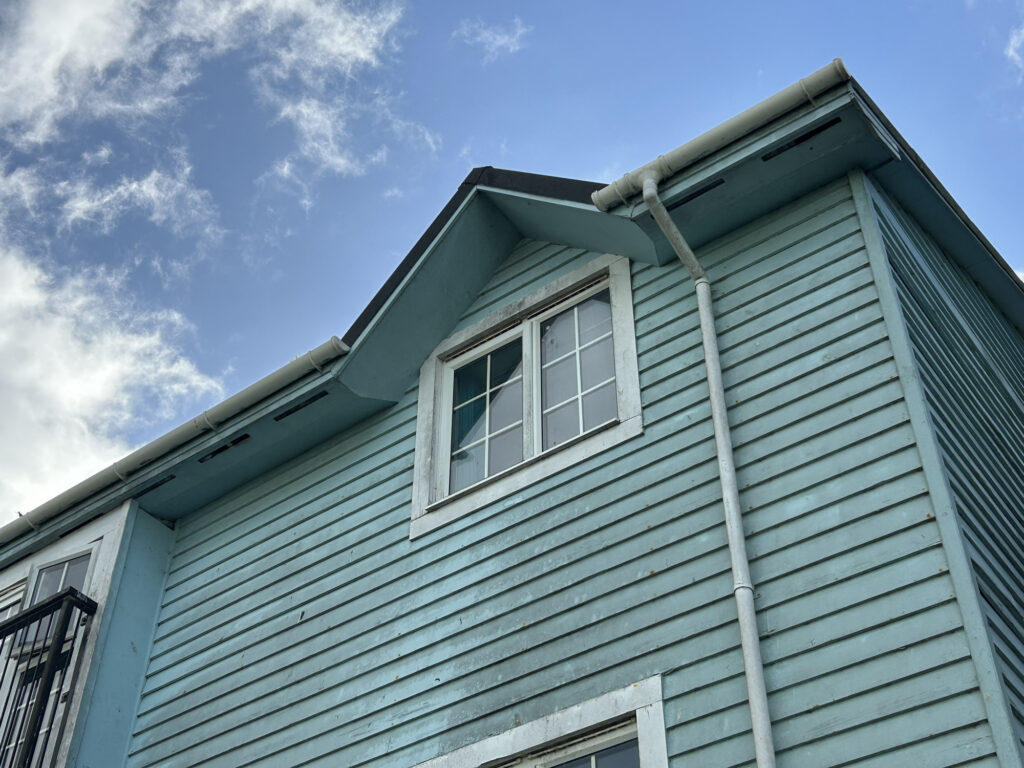
As activity increases and common areas see heavier use, small gaps in planning quickly become visible. Projects deferred in spring collide with peak demand, rising costs, and limited vendor availability. What could have been handled proactively often becomes more expensive, more disruptive, and harder to explain.
For condominium and homeowner associations, summer is not simply a busy season. It is the most costly time to discover that maintenance planning was left too late.
Summer Brings Price and Schedule Compression
Summer is when maintenance demand peaks across the region. Vendors are fully booked, material lead times extend, and pricing reflects seasonal pressure rather than negotiated planning.
When associations reach summer without settled scopes, approved funding, or scheduled work, Boards often face limited choices. Projects move forward with higher bids, narrower timelines, or reduced flexibility on sequencing. Even necessary work becomes disruptive simply because there is no room to adjust.
In condo association management, shared systems amplify this challenge. A delayed decision does not affect one unit or one phase. It affects access, coordination, and costs across the entire building.
Deferred Maintenance Changes the Scope of Work
Ignoring maintenance changes the nature of the project itself. Components that could have been cleaned, sealed, or repaired earlier in the year often cross into replacement territory by mid‑summer. Water intrusion spreads. Minor surface failures expose underlying conditions. What was once routine maintenance becomes structural repair.
By the time summer arrives, Boards are often no longer deciding whether work should proceed, but how much additional work is now required. The cost increase is not theoretical. It reflects expanded scope driven by deterioration, not just inflation.
This is why communities that rely on established maintenance schedules tend to experience fewer emergency decisions. Mapping inspections and recurring work earlier in the year preserves options that summer removes.
Overlapping Projects Create Avoidable Conflict
Summer is also the busiest season for homeowner improvements. Exterior work, remodeling, and landscaping projects increase as weather improves.
When association‑led maintenance and individual homeowner projects are not coordinated, conflicts surface quickly. Access conflicts arise around limited staging areas and work hours. Noise expectations collide. Questions emerge about responsibility when damage occurs near overlapping work zones.
Associations that enter summer with a clear maintenance timeline are better able to sequence projects, communicate boundaries, and manage expectations. When planning is delayed, Boards and managers spend more time untangling conflicts than overseeing progress.
This overlap is one reason alteration request volume spikes in summer, and why consistency in review and timing matters most during this season.
Reserve Data Determines Whether Decisions Are Strategic or Reactive
Summer exposes the gap between reserve planning and actual conditions. When reserve studies are outdated or disconnected from current maintenance needs, Boards lack the context to determine whether a repair is still appropriate or whether replacement should be accelerated. Decisions default to short‑term fixes because funding assumptions are unclear.
Boards that actively use reserve data approach summer differently. They can assess whether current conditions align with prior assumptions, adjust timing thoughtfully, and explain decisions with financial support behind them. This is the difference between reacting to summer pressure and using summer execution to reinforce long‑term planning.
Unclear Timelines Undermine Enforcement
When maintenance schedules shift repeatedly or remain undefined, homeowners receive mixed signals about access, parking, noise allowances, and temporary accommodations. Temporary conditions linger. Exceptions blur into precedents. This makes consistent enforcement difficult. Complaints increase not because rules changed, but because expectations were never stabilized.
Clear maintenance planning establishes timelines, boundaries, and end points. When those are communicated early, enforcement follows documented decisions rather than discretionary judgment, even during high‑activity months.
Planning Ahead Pays Off
The most expensive maintenance challenges are rarely caused by a single failure. They are the result of hesitation.
Communities that plan ahead benefit from better pricing, clearer communication, fewer emergency decisions, and stronger alignment between maintenance priorities, reserves, and budgets. Summer highlights the cost of waiting. Associations that take maintenance planning seriously earlier in the year are better prepared to manage the season without urgency.
Maintenance Planning Is a Governance Responsibility
Maintenance planning is about protecting assets, managing risk, and supporting long‑term community stability.
Trestle partners with condominium and homeowner associations across Washington to support proactive maintenance planning, reserve alignment, and clear decision‑making. Our approach emphasizes timing awareness, practical guidance, and long‑term stewardship as part of effective community association management.
To learn more, visit www.TrestleCM.com or connect with us on LinkedIn and Facebook for ongoing Board and homeowner education.